Pirate Embroidery Design Review
As an embroidery designer and product reviewer, I’ve evaluated countless machine embroidery designs. Pirate stands out as a versatile and visually engaging option for creative projects. Its bold, nautical theme and clean layout make it ideal for a range of applications—from custom apparel to personalized gifts. But like any design, it has its nuances that need careful consideration before use.
The First Impression: A Nautical Statement
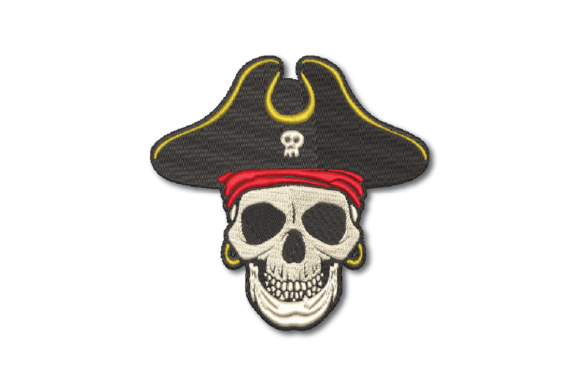
From the moment I opened the Pirate embroidery file, I noticed its strong visual identity. The design features a classic pirate silhouette with a skull and crossbones, evoking a sense of adventure and mischief. The shape is well-proportioned, with clear lines and a balanced composition that works well in both large and small formats.
The detail level is moderate, with enough texture to add depth without becoming overwhelming. It’s not a highly intricate design, but it has enough character to stand out on its own. The layout suggests it was designed with practicality in mind—ideal for placement on items like tote bags, sweatshirts, or baby onesies.
This design feels most at home on casual, themed projects. It’s perfect for holiday gifts, summer wear, or even a quirky addition to a boutique shop’s inventory. The mood it creates is playful yet professional, making it suitable for both handmade and commercial use.
Real-World Use: Where Pirate Shines
I tested Pirate on a few different fabrics to see how it performed. On a standard cotton tote bag, it looked great with a medium stitch density. The satin stitch areas were smooth, and the fill stitches didn’t cause any puckering. For a custom sweatshirt, the design translated well, especially when using a stabilizer to prevent distortion.
On baby clothes, Pirate worked surprisingly well. The design wasn’t too scary, and the colors were soft enough for a nursery setting. I used a light blue thread on a white fabric, which gave a clean, modern look. It would also be a good fit for embroidered patches or aprons, where a bold, recognizable image is needed.
For a craft business, Pirate could be a solid addition to an Etsy shop or a small shop’s product line. It’s simple enough to be adaptable but still has enough personality to catch a customer’s eye. As a printable mockup, it would work well for digital product previews, helping buyers visualize the final result before purchasing.
Where to Be Cautious: Limitations and Considerations
While Pirate is generally reliable, there are some situations where it might not perform as expected. On small hoop sizes, the design could feel cramped, especially if the user is trying to fit it into a limited space. This might require scaling or repositioning, which could affect the overall look.
Textured fabrics or thin materials may cause issues with stitch clarity. If the fabric isn’t stable enough, the design could lose its definition. Similarly, stretchy fabrics might distort the image unless proper stabilizer is used. Dark fabrics can also be a challenge—while the design is visible, it may not stand out as much as on lighter backgrounds.
For curved surfaces like caps or hats, Pirate might not sit as smoothly as a more compact design. The corners and details could get stretched or distorted. Tiny lettering or intricate accents might not hold up well, so it’s best to avoid using it in those areas unless the user is confident in their machine’s capabilities.
Impact on Visual Appeal and Customer Perception
When it comes to visual appeal, Pirate has a strong presence. Its clean lines and familiar imagery make it instantly recognizable. This can be a big plus for handmade products, as it helps build brand consistency and recognition. Customers often respond positively to designs that are easy to identify and relate to.
Stitching clarity is another important factor. With proper setup, Pirate looks sharp and professional. However, if the stitch density is too high or the stabilizer isn’t used correctly, the design could look messy or uneven. This is why testing on scrap fabric is always a good idea before committing to a finished product.
From a business perspective, Pirate can add value to a product line. It’s a versatile design that can be used across multiple items, from apparel to home decor. As a personalized gift, it offers a unique touch that customers might appreciate. For an Etsy seller or small shop owner, this kind of design can help attract attention and drive sales.
Practical Designer Notes: What to Keep in Mind
Before using Pirate in a real project, I recommend running a sample on test fabric. This will help you see how the design looks in practice and whether any adjustments are needed. Check the thread color contrast—especially if you’re using dark fabric. A mismatched color can make the design look dull or unprofessional.
Review the stitch density and confirm the hoop size required. If the design is too large for your machine, you may need to split it or adjust the layout. Inspect the small details closely, as they can be easily overlooked during the design process.
Test the design in black and white mockups to see how it appears without color. This can help you decide if it works for your intended application. Compare it on both light and dark fabric backgrounds to ensure visibility and clarity.
Use the right stabilizer for the fabric type. This can prevent puckering, stretching, or distortion. Confirm that the design is suitable for both personal and commercial use, and check the licensing terms before selling finished items or digital products.
Final Thoughts: Pirate as a Reliable Design Asset
In conclusion, Pirate is a solid machine embroidery design that offers both style and functionality. It’s well-suited for a variety of projects, from custom apparel to personalized gifts. With proper preparation and testing, it can become a valuable addition to any embroidery collection.
Whether you're a hobbyist, a small business owner, or a craft entrepreneur, Pirate provides a fresh and engaging option for your next project. Just remember to approach it with care and attention to detail—because even the best designs can fall flat without the right execution.